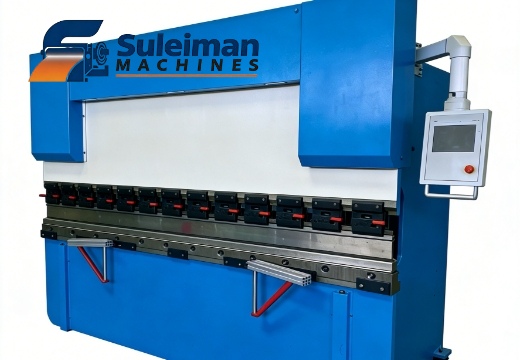
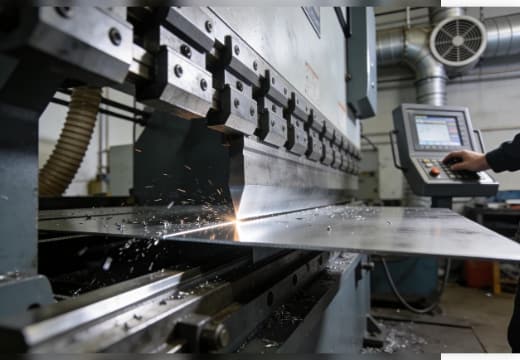
Don't overspend on tech you don't need. Learn why the high-spec Torsion Bar (Torque-axis) CNC press brake is the fastest way to ROI for 4m/8mm bending jobs in 2026.
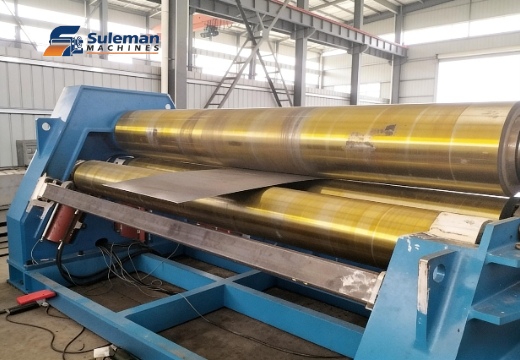
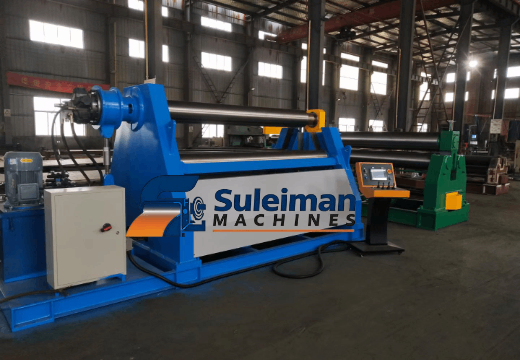
Avoid costly rolling mistakes. Learn why the Universal 3-roll is a game-changer for 30mm Q355 steel and get critical advice on foundation pits and crane height requirements.
Don't be fooled by the labels. Most plate rollers can't pre-bend the same thickness they "roll." Learn the 3 hidden factors—Yield Strength, Plate Width, and Diameter—that determine the real capacity of your machine.
Buying a plate roller is a big investment. Don't let a cheap guide system ruin your accuracy. Learn why Linear Guides stay precise years longer than traditional pivot arms and how to save on maintenance.
Tired of "Pear-shaped" cylinders? Learn why flat ends happen and how to choose the right technology (3-roll vs 4-roll) to eliminate labor waste and maximize your factory's profit margins.
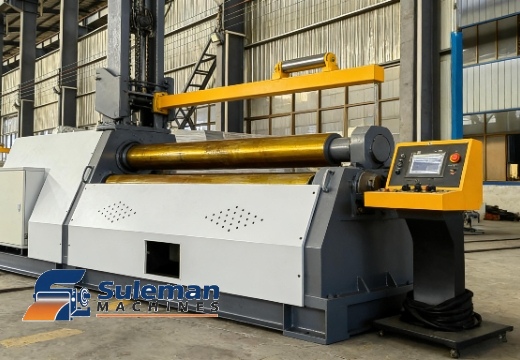
ROI analysis of 4-roll CNC vs 3-roll plate rollers. Learn how the SLM 30x3200 series saves 50% on labor and eliminates waste for 20mm Q355B steel rolling.
Expert insights on selecting plate rollers. Learn why capacity margins, foundation pits, and crane heights are critical for wind power and heavy-duty projects.
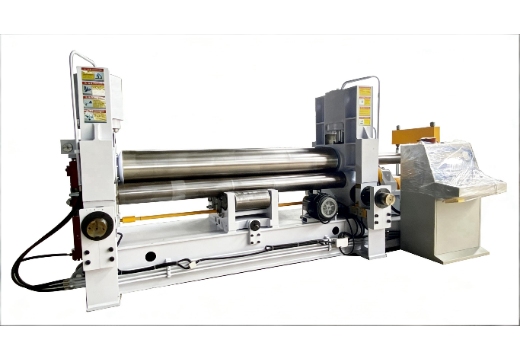
This comprehensive guide compares the W11S Universal 3-Roll and W12 4-Roll plate rolling machines. We analyze their mechanical principles, pre-bending capabilities, and ideal applications in industries like pressure vessel and wind tower manufacturing. Learn which CNC solution offers the best ROI for your workshop's specific production requirements.
This comprehensive guide explores the critical factors in selecting the ideal plate rolling machine for pressure vessel manufacturing. It covers essential technical specifications such as material yield strength, plate thickness (up to 45mm), and the importance of pre-bending for high-quality welding. By comparing 3-roll and 4-roll systems and highlighting the advanced features of the Suleiman W11S model—including PLC touch screens and EPS electronic leveling—this article provides a roadmap for fabricators to enhance production precision, safety, and long-term ROI.
Selecting the right machine tools like shearing machines, press brakes, and punching presses is a critical long-term investment. This guide outlines key steps—from defining your needs and verifying true manufacturers to evaluating suppliers—to ensure you acquire high-performance, durable equipment. Discover why choosing an integrated manufacturer like Nantong Suleiman Machinery, with in-house R&D and direct engineering support, safeguards your asset value and operational efficiency for years to come.