1. Define Your Production Needs
To select the right machine, you must first define your project requirements. Pressure vessel fabrication demands high precision and heavy-duty capabilities.
Material Type: Carbon steel is common, but stainless steel requires more force due to higher yield strength.
Capacity: Ensure the machine handles your max plate thickness (e.g., up to 45mm) and width (e.g., up to 6000mm).
Accuracy: Look for digital controls and electronic leveling to ensure perfect roundness.
2. 3-Roll vs. 4-Roll: Which is Better?
Choosing between a 3-roll and 4-roll machine depends on your workflow:
3-Roll Machines: Ideal for general fabrication and thick plates. Models like the Suleiman W11S offer hydraulic power and excellent pre-bending, reducing flat ends to less than 2.5x plate thickness.
4-Roll Machines: Best for high-volume, automated production. They allow for faster alignment and double-sided pre-bending without removing the plate.
3. Key Technical Factors
Roller Diameter: A larger top roll prevents deflection (bending in the middle), ensuring the vessel remains straight.
Control Systems: Modern machines use PLC touch screens and EPS electronic leveling to maintain roll parallelism, which is vital for meeting ASME or ISO standards.
Safety First: Always prioritize machines with overload protection, interlocking systems, and automatic fault alarms to protect your team and equipment.
4. Economic Value & Brand Support
Don't just look at the initial price. Consider the Total Cost of Ownership (TCO):
Efficiency: Automation reduces labor costs and minimizes material waste.
Maintenance: Choose a brand like Suleiman that provides robust after-sales support, technical training, and readily available spare parts.
Conclusion:
The right plate rolling machine boosts efficiency and ensures safety in pressure vessel manufacturing. For a customized solution, contact Suleiman today.

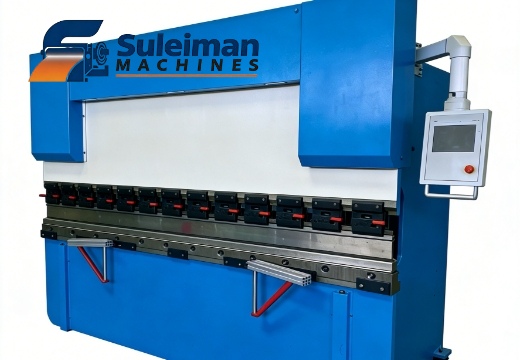 Bending on a Budget: Why the Torsion Bar CNC Press Brake is Still the ROI King
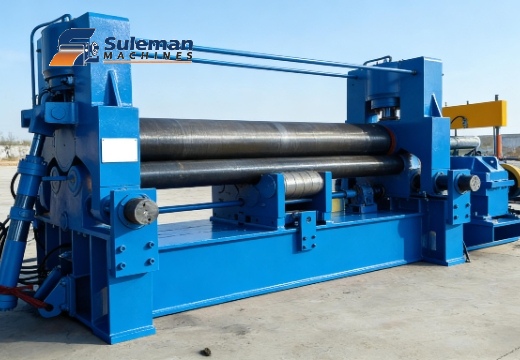 Why Wind Power Projects Demand "Universal" 3-Roll Plate Rollers
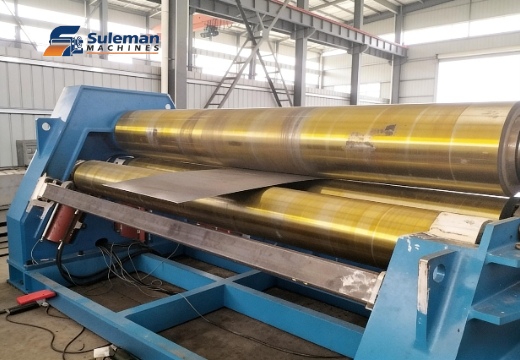 he "Max Thickness" Trap: Why Your 20mm Plate Roller is Failing Your 16mm Jobs