
4-Roll CNC vs 3-Roll Roller: A Guide to Investment Return (ROI)
4-Roll CNC vs 3-Roll Roller: A Guide to Investment Return (ROI)
For many factory owners, the choice between a 3-roll and a 4-roll plate roller comes down to the bottom line. Is the higher initial cost of 4-roll CNC technology justified? Based on our 15 years of experience, here is a professional breakdown of the savings in labor, time, and material.
1. Productivity & Labor Comparison
| Factor | Standard 3-Roll | SLM 4-Roll CNC |
|---|---|---|
| Plate Handling | Must flip plate manually | Automatic (One-Pass) |
| Labor Required | 2-3 Skilled workers | 1 Junior operator |
| Cycle Time | 100% (Baseline) | Reduced by 40-50% |
2. Turning Technical Power into Profit
Using our SLM 30x3200 CNC model as an example, we recently rolled 20mm Q355B steel into a 958mm diameter cylinder. This offers direct financial benefits: Reduced skill independence and zero material waste.
Expert Tip: For plates wider than 3 meters, our Hydraulic Support Rollers prevent sagging, ensuring accuracy without extra manual help.
If your workshop handles high-volume production, the 4-roll CNC system typically pays for itself within 14 to 18 months. It is a strategic move for any factory looking to scale up.
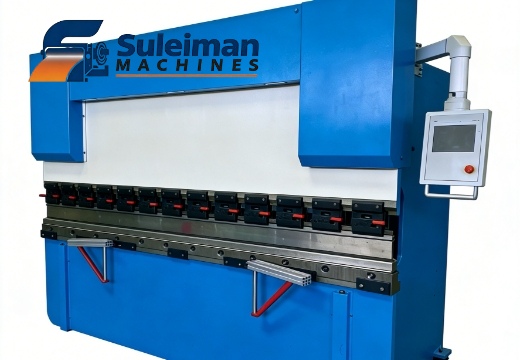 Bending on a Budget: Why the Torsion Bar CNC Press Brake is Still the ROI King
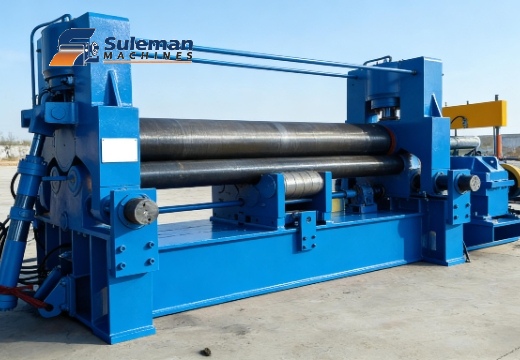 Why Wind Power Projects Demand "Universal" 3-Roll Plate Rollers
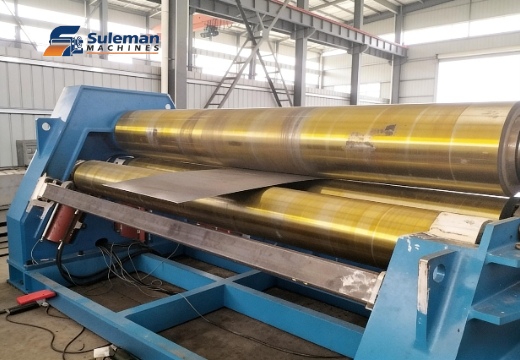 he "Max Thickness" Trap: Why Your 20mm Plate Roller is Failing Your 16mm Jobs